
Harness Engineering Is The Key To Automating Real-World Workflows in Life Sciences

A frontier AI model is like a mustang: raw power with no direction of its own. What turns that power into useful work is the harness — the software around the model that defines how it can interact with the world: the tools it can run, the data it can reach, and the governance that decides what it’s allowed to touch. It does the hard work of context engineering, getting the right information to the model at the right time.
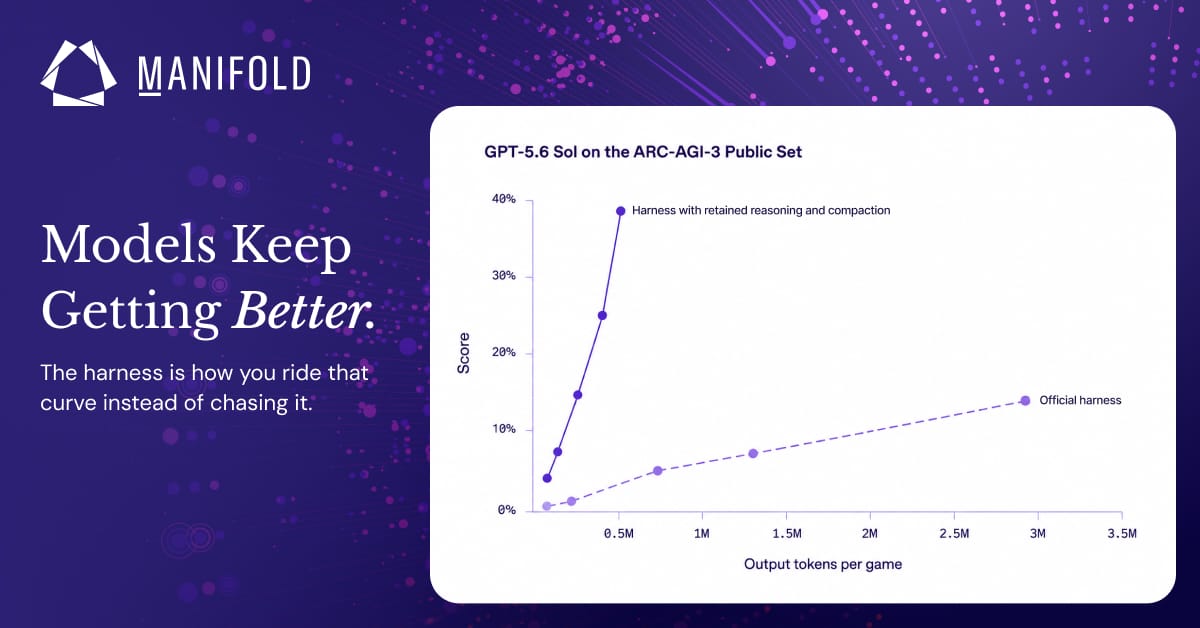
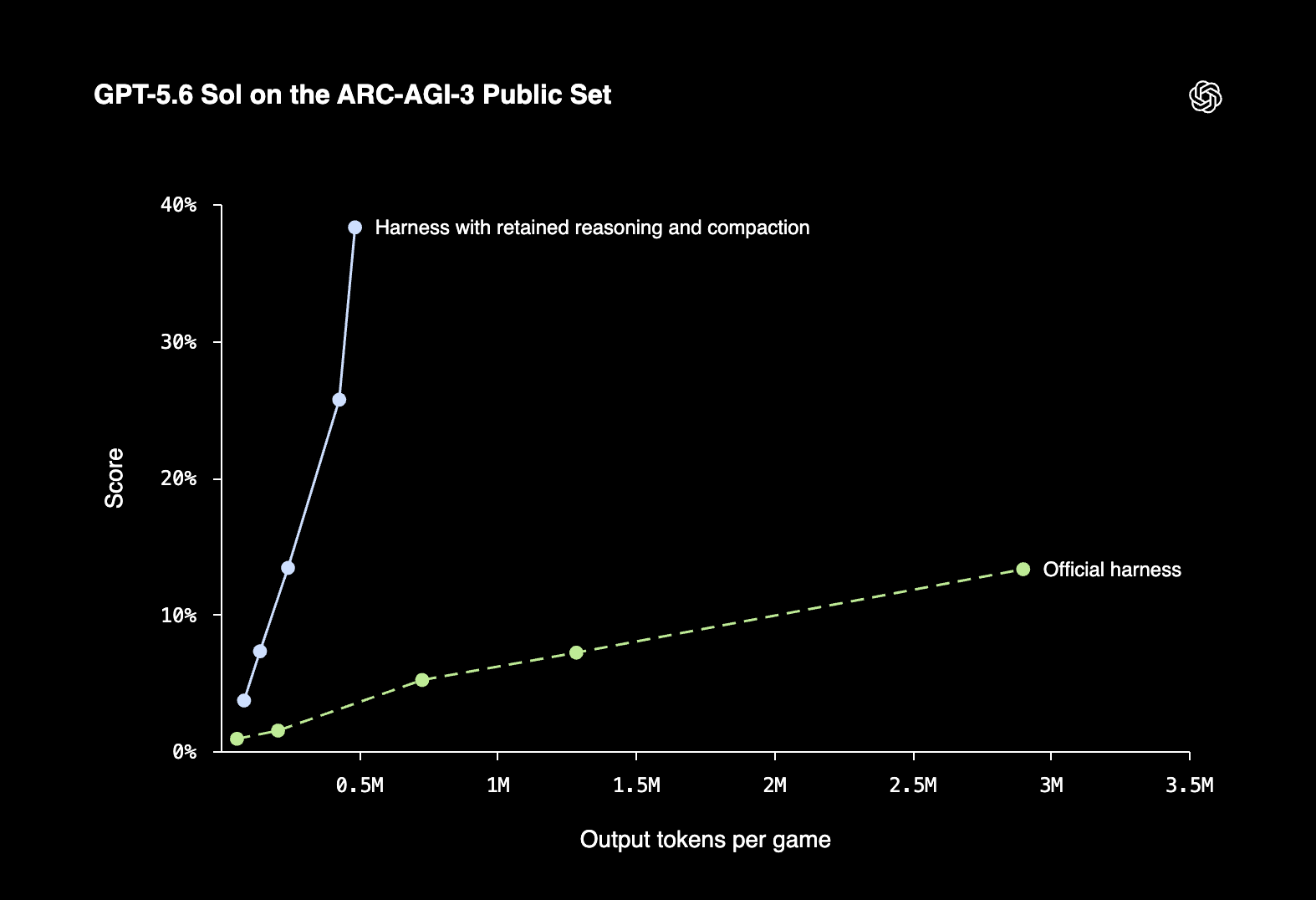
My claim is that, right now, the marginal return on harness work is larger than the marginal return on more intelligence. Give a mediocre model a great harness and it will do real work. Give a frontier model a bad harness and it will flail, burning tokens expensively.
The most useful harnesses are vertical-specific because the data, workflows, and outputs look completely different depending on whether you are underwriting insurance, doing legal contract review, or running a supply chain. We are building an AI harness for working with multimodal real-world data in life sciences: claims, EMR extracts, registries, genomics and transcriptomics, lab assays, whole-slide images, SDOH, wearables. This data holds the answers to some of the field's consequential questions: how common a condition really is, how patients are actually being treated, what conditions travel together, what a therapy is worth in economic terms, which biomarkers actually hold up. But turning that data into answers today means slow, manual work bottlenecked behind specialists.
Vertical-specific agents can unblock them. They open work that a generic tool structurally can’t reach because they carry the right access needed to work with sensitive life sciences data. Reasoning across claims, EMR, genomics, and imaging together requires an agent that’s actually plumbed into those systems and knows how to bridge the data layer to the semantic layer of life sciences. Done right, vertical-specific agents put a scientist’s question directly in front of the pipelines and datasets that answer it, clearing the routine extraction work so specialists spend their time on the analysis that actually needs their judgment. No amount of prompting a chat window can fix the missing vertical-specific AI harness needed to automate real-world workflows in life sciences.
Building these agents, day in and day out, I keep coming back to the same three things—the parts of a harness that decide whether it maximizes the value of AI investment and automates real-world workflows.
- Action space. An agent is defined by what it can actually do: the tools it can call and the runtimes it can execute code in. This is where vertical specificity matters most, and in life sciences it looks like — WDL workflows running on AWS HealthOmics, Python with scanpy, R with Bioconductor, Docker images built for single-cell and spatial work. None of that is foreign to a bioinformatician. All of it is missing from a general-purpose agent. The action space has to be ready for real domain work on day one, and open enough that a lab can add whatever it needs.
- Governance. An agent cannot wander. You need an explicit model of what it can read, where it can write, and what it can never touch. That question is critical in the life sciences world because the data is PHI, governed by consent language, and data use agreements. Governance cannot be a checkbox you bolt on at the end. It needs to be woven intricately into the action space.
- Data. Exposing complex data to an agent is not a solved problem. The power of AI is to enable users to work with data semantically, which means bridging two representations: the data’s native one — tables, data dictionaries, silo-specific codes — and the scientist’s — genes, proteins, cohorts, phenotypes, endpoints. That bridge is hard to build. Meanings have to stay consistent across sources without introducing errors. It also cannot stop at tidy tables: the work spans images, waveforms, omics files. Context engineering the data is not preparation for the work. It is the work.
None of this is a weekend project. You cannot vibe-code a governance layer a compliance team will sign off on, or data an agent can reason over without fooling itself. That‘s why I think this is where the leverage is: hard, unglamorous, compounding harness work.
Models keep getting better. The harness is how you ride that curve instead of chasing it.
